Roman Greek Font: A Timeless Typeface for Modern Marketing
Fonts are more than just letters on a screen—they're visual tools that shape how your audience perceives your brand. In the fast-paced world of digital marketing, choosing the right typeface can mean the difference between a scroll and a stop. Roman Greek is a premium serif font that blends classic elegance with clean modernity, making it an ideal choice for professionals who need their content to stand out across platforms without sacrificing readability.
Elegance Meets Versatility in Every Character
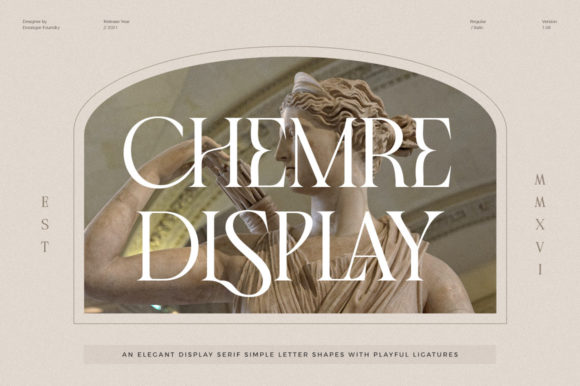
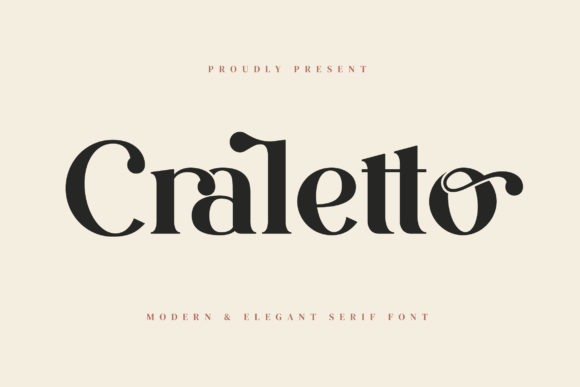
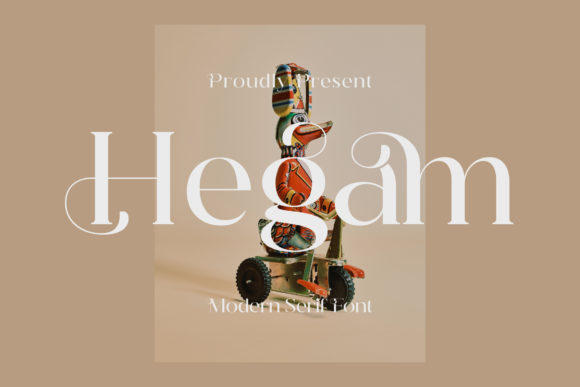
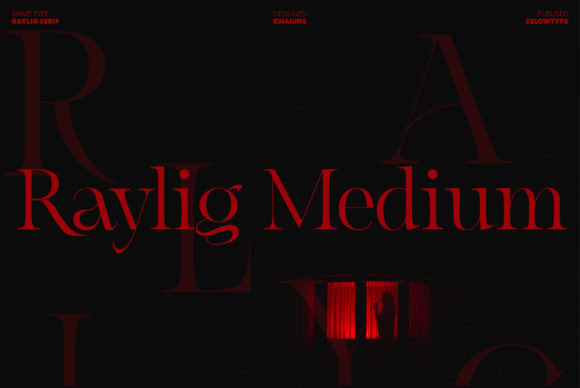
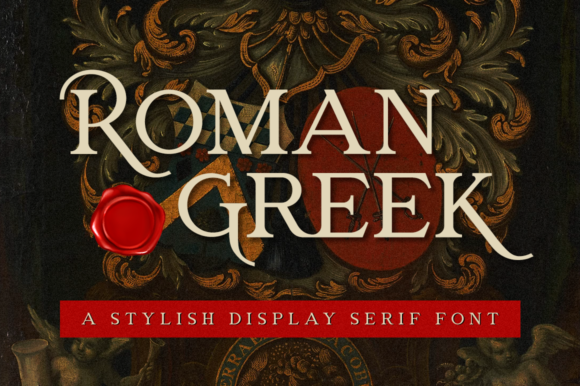
Roman Greek carries the refined character of traditional serif fonts while maintaining a streamlined appearance that works well in contemporary design settings. Its balanced proportions and subtle stroke contrast evoke a sense of authority and sophistication—perfect for brands looking to project professionalism or timeless appeal. Unlike overly ornate typefaces, Roman Greek doesn’t distract from the message; instead, it enhances it by adding a layer of trust and clarity.
The font’s personality is understated yet impactful. It speaks volumes without shouting, which is exactly what you want when crafting compelling campaign visuals or website banners. Whether used in editorial design, product packaging, or social media thumbnails, Roman Greek brings a sense of cohesion and polish that supports strong brand identity.
Boosting Readability in Digital Spaces
In online environments where attention spans are short and screens vary widely in size, readability is king. Roman Greek excels here thanks to its open counters and generous spacing, which make each letter easy to decipher at a glance. This is especially important for YouTube thumbnails, Instagram posts, and Pinterest pins, where users often preview content quickly before deciding to engage.
For mobile optimization, Roman Greek remains legible even in smaller sizes, ensuring your headlines pop on both desktop and smartphone views. When designing for fast-scrolling feeds, this font helps maintain clarity so your key message isn’t lost in the chaos of the scroll.
Creating Strong Visual Hierarchy
Visual hierarchy is essential for guiding the viewer’s eye toward the most important elements in your design. Roman Greek’s bold weight options and crisp serifs help establish clear focal points, whether you’re highlighting a sale announcement or a webinar registration call-to-action. Use it for title text to anchor your layout, then pair it with a sans serif font for body copy or captions to maintain a seamless flow of information.
- Headlines: Ideal for high-impact titles in email headers, landing pages, and promo graphics.
- Callouts: Works beautifully for short, punchy statements in ads and social media posts.
- Logo Marks: Offers a distinguished look when used as a supporting element in logo design.
- Decorative Accents: Can be creatively used in branded templates and reels covers for subtle emphasis.
Real Campaign Applications of Roman Greek
Let’s dive into some practical use cases where Roman Greek truly shines:
- Sale Announcement: Imagine promoting a limited-time offer with a headline like “Summer Sale: 50% Off.” Using Roman Greek adds a touch of refinement and urgency, encouraging clicks and conversions.
- Product Teaser: Launching a new item? Pair Roman Greek with minimalist design assets to create a teaser that feels exclusive and polished.
- Inspirational Quote Graphic: The font’s elegant structure makes it perfect for quote-based content. Think about a quote like “Success is not final, failure is not fatal: It is the courage to continue that counts.” Roman Greek gives it gravitas.
- Webinar Banner: When designing a banner for a professional event, Roman Greek conveys credibility and focus, helping attract a serious, engaged audience.
- Content Series: Use Roman Greek consistently across blog headers, video titles, and podcast episode names to build a recognizable pattern in your content library.
- Online Shop Promotion: From product titles to promotional tags, Roman Greek ensures your shop looks cohesive and trustworthy, improving customer retention.
Pairing Roman Greek with Other Fonts
Font pairing is a strategic decision that affects the overall tone and effectiveness of your designs. Roman Greek pairs exceptionally well with clean sans serif fonts like Montserrat or Lato, offering a classic-meets-modern balance that works well in ads, thumbnails, and web banners. For a more editorial feel, try combining it with another serif font such as Georgia or Merriweather to create a layered, sophisticated look.
Avoid using Roman Greek alongside script or handwritten fonts unless you’re aiming for a specific contrast, like in a luxury brand promotion or vintage-themed campaign. Always ensure the pairing maintains visual harmony and supports the message rather than complicating it.
Supporting Brand Consistency Across Platforms
Consistency is a cornerstone of effective branding. Roman Greek provides a reliable base for building visual consistency across your design assets—from Instagram stories to Google Ads and beyond. Its neutral yet stylish presence ensures that your messaging stays aligned with your brand’s voice, whether you’re communicating a launch, a seasonal promotion, or a personal branding statement.
By using Roman Greek across all your creative fonts and design materials, you reinforce your brand’s identity and create a unified experience for your audience. This recognition builds familiarity and trust over time, which is invaluable in competitive markets.
Design Tips for Maximum Impact
To get the most out of Roman Greek, consider these best practices:
- Use for Short Text: The font performs best in headlines, taglines, and short-form content where every word needs to count.
- Limit Weight Variations: Stick to one or two weights per piece of content to avoid overwhelming the viewer and to keep the visual hierarchy intact.
- Contrast Matters: Make sure the background color or image complements the font’s dark, bold characters for maximum visibility.
- Test on Mobile: Always preview your designs on smaller screens to confirm that Roman Greek retains its clarity and impact.
Enhancing First Impressions and Audience Perception
First impressions are formed in milliseconds, and Roman Greek can help you make a lasting one. Its classic roots give it a sense of reliability and tradition, while its simplicity keeps it fresh and approachable. This duality makes it particularly useful for product launches and seasonal campaigns where you want to convey both innovation and trustworthiness.
For YouTubers and bloggers, using Roman Greek in thumbnail titles can elevate your content’s perceived quality. Viewers are more likely to pause and click on a thumbnail that feels professionally designed, and this font contributes to that perception effortlessly.
When to Use Roman Greek
Roman Greek is not a jack-of-all-trades font—it thrives in specific contexts. Here are the best scenarios to leverage it:
- High-End Branding: Luxury products, fashion labels, or premium services benefit from its refined aesthetic.
- Creative Projects: Bloggers, designers, and influencers can use it to add a unique touch to their visual storytelling.
- Editorial Content: Newsletters, magazine-style blogs, and landing pages gain a professional edge with Roman Greek.
- Event Promotions: Webinars, conferences, and workshops look more credible and engaging when styled with this display font.
Commercial Licensing Considerations
Before incorporating Roman Greek into your commercial projects—such as paid ads, client deliverables, merchandise, or digital products—make sure to review the font’s licensing terms. Many premium fonts require a proper license for extended use, and understanding those rights is crucial for protecting your brand and avoiding legal issues down the line.
Whether you’re managing a small business marketing team or working on freelance campaigns, having the correct permissions ensures you can use Roman Greek confidently in all your design work.
Why Marketers Should Care About Typography
Typography is a silent but powerful communicator. Roman Greek allows you to send the right message without saying a word. As a marketing specialist, you understand the value of micro-moments—those brief instances where a user decides to engage with your content. The right font can influence that split-second decision in your favor.
This serif font is also great for creating emotional resonance. Depending on the context, it can communicate sophistication, creativity, or professionalism. That’s why it’s a favorite among creators who need their visuals to speak louder than words.
Stand Out Without Overcomplicating Your Design
Many marketers fall into the trap of using overly complex or trendy fonts that sacrifice readability for uniqueness. Roman Greek offers a middle ground. It stands out enough to catch attention but remains simple enough to ensure your message is understood instantly.
Its versatility makes it suitable for both digital banners and print collateral, allowing you to maintain brand continuity across all touchpoints. From Instagram reels covers to website hero sections, Roman Greek adapts without losing its core appeal.
Final Notes on Practical Implementation
Integrate Roman Greek into your design toolkit for a range of applications. Start by using it in your next ad campaign or social media graphic to see how it elevates the visual appeal. Combine it with other design assets for a polished, professional finish that aligns with your brand’s goals.
Remember, typography is a strategic component of your content. With Roman Greek, you’re not just choosing a font—you’re selecting a tool that enhances your message, improves engagement, and strengthens your brand’s presence in the digital space.